

Advertisement
HEAD and the Spanish Padel Federation extended their partnership for another 11 years this week, according to PadelSpain, cementing one of the sport’s longest-running equipment alliances. The deal keeps HEAD as the federation’s official supplier through the end of the decade — a signal that even as padel globalizes, Spain remains ground zero for brand credibility.
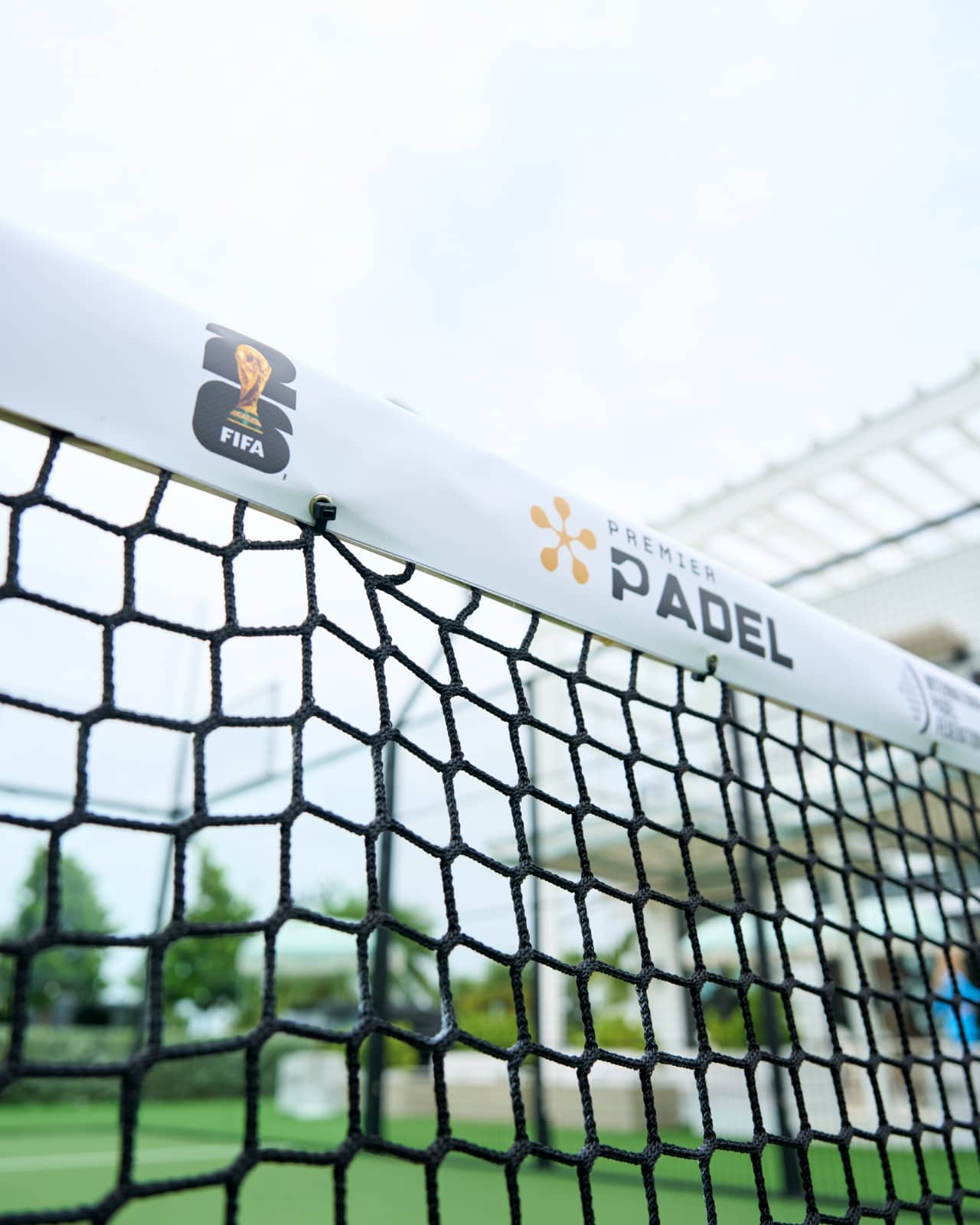
But while HEAD doubles down on legacy partnerships, the infrastructure powering the sport’s elite level is evolving faster than most players realize. At Premier Padel’s upcoming London debut in August, spectators at Olympia London won’t just see better padel — they’ll see through it. MejorSet, the official court supplier for Premier Padel and the International Padel Federation since 2020, is deploying its “Full Panoramic” court design, which eliminates traditional corner posts that obstruct sightlines. “Their courts offer a 360-degree view — ensuring the speed, movement and tactical complexity of professional padel will be in full view throughout the tournament,” writes The Padel Paper.
The shift matters because Premier Padel isn’t just a live event — it’s a broadcast product with nearly 900,000 YouTube subscribers. Traditional court architecture, built for recreational play, creates blind spots for cameras and fans. MejorSet’s engineering erases those compromises, turning the court into a broadcast platform as much as a playing surface. The company’s installations at venues like The Padel Social Club in London and the University of Nottingham already demonstrate how infrastructure investment tracks with market maturity: serious facilities attract serious competition.
Meanwhile, the FIP is pushing the sport’s geographic reach downward in age and outward in geography. Last week in Jakarta, the FIP Promises Tour showcased emerging talent with Arnur Tursynkhan and Islam Duissengazin sweeping both the Under 16 and Under 18 boys’ divisions, while Zara Settimi and Chikage Yasuda claimed double titles in the Under 12 and Under 14 girls’ categories without dropping a set. Indonesia isn’t a padel hotbed — yet. That’s the point. FIP’s youth tour is seeding the sport in markets years before professional circuits arrive, creating pathways in Asia while HEAD and Spain’s federation secure the European core.
The contrast between these moves reveals padel’s dual-track evolution. HEAD’s 11-year renewal is a continuity play: lock down credibility in the sport’s traditional stronghold, where the federation still governs the largest player base and the deepest talent pool. MejorSet’s court innovation is an expansion play: build infrastructure that translates live competition into digital engagement, turning Premier Padel events into content factories for global audiences. FIP’s youth tour is a futures play: invest in markets that won’t pay dividends for five to ten years but could redefine the sport’s demographic map.
The question for players — especially those who track gear trends and tournament formats — is which track matters most. HEAD’s federation deal won’t change your racket choice this year, but it signals where R&D investment flows. MejorSet’s court design won’t affect your local club, but it sets the standard for what “professional conditions” will mean when your region finally hosts a major event. FIP’s Jakarta tournament won’t produce a tour star tomorrow, but it determines which countries field competitive junior pipelines in 2030.
Padel’s growth story has always been about infrastructure arriving before demand fully materializes. These partnerships — whether locking down Spain, redesigning courts for cameras, or planting youth tournaments in Jakarta — are bets on where the sport goes next, not where it is now.
Sources
Reporting Notes