
.webp)
How much should I spend? Will a specific brand’s technology help me? Do I need a power or control racket? How often should I update my racket?With so many brands offering so many models, buying a padel racket is totally overwhelming. If you ask padel players about their experiences purchasing rackets, each one will have a horror story about a tricky company, receiving a poor quality racket, or simply choosing the wrong racket for themselves.
As a result, many players end up in selecting the racket of the pro they like watching in the World Padel Tour.
Padel FYI is the Metacritic for padel rackets. We are making padel racket purchases easier by aggregating reviews of padel gear in one place. We are an objective third party, and we are ready to help you with any questions at hello@padel.fyi.
Buying a padel racket should be a fun, exciting experience, so we put together a guide to help you decide which racket is best for you.
Step 1: Determine what kind of player you are
What level do you play at?
Beginner, beginner-intermediate, intermediate, intermediate-advanced, advanced. Be clear and honest with yourself about this.
Learn more about how to determine your level at What is my padel level? | Padel FYI
And if you’re still not sure, ask a more advanced friend or the coach at your local club for a second opinion.
How often do you play?
Are you a beginner playing once or twice a month? If so, you may want to focus your selection on inexpensive, comfortable rackets.Or maybe you are a beginner-intermediate playing once or twice a week. If so, you want to choose a racket that will be easy to play with now, but will have some room to grow with you as your technique develops.
Or maybe you are an advanced player competing regularly, and thus, prefer to use a racket with a summer and a winter version, so that you can adapt to changes in temperature.
Your racket options increase with your level - i.e. we do not recommend high balance diamonds to beginners despite their preference for power.
What type of player are you?
Let’s consider the following to determine what your racket should be: your body type, your balance of control and power, your playing style, other preferences.
What is your body type?
Are you particularly physically strong or are you fast and light? Are you tall, so smashes come easily, or are you short and like to play a fast, low game? Or are you a mix of the above?Padel is non-discriminatory, tall players will struggle with low shots and short players will run the risk of being lobbed repeatedly, but it is helpful to be aware of your natural abilities when selecting a racket.
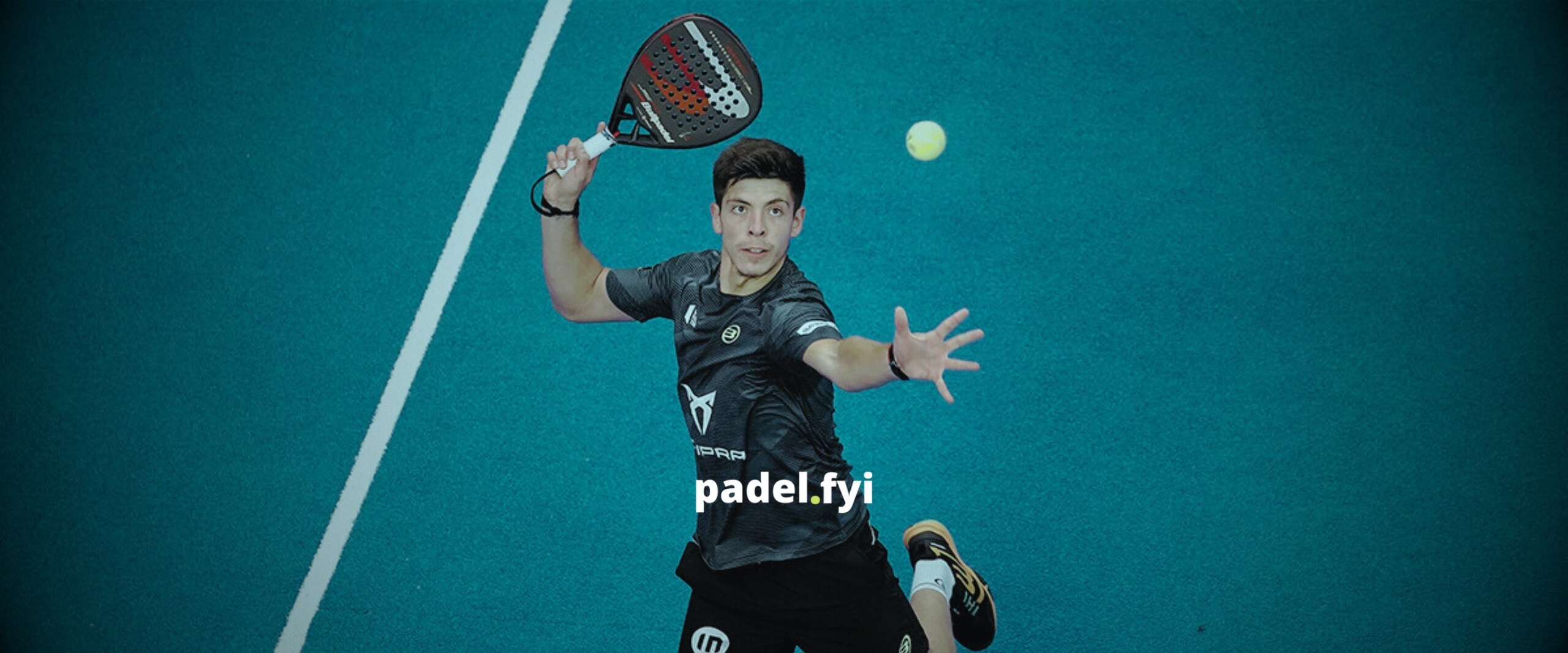
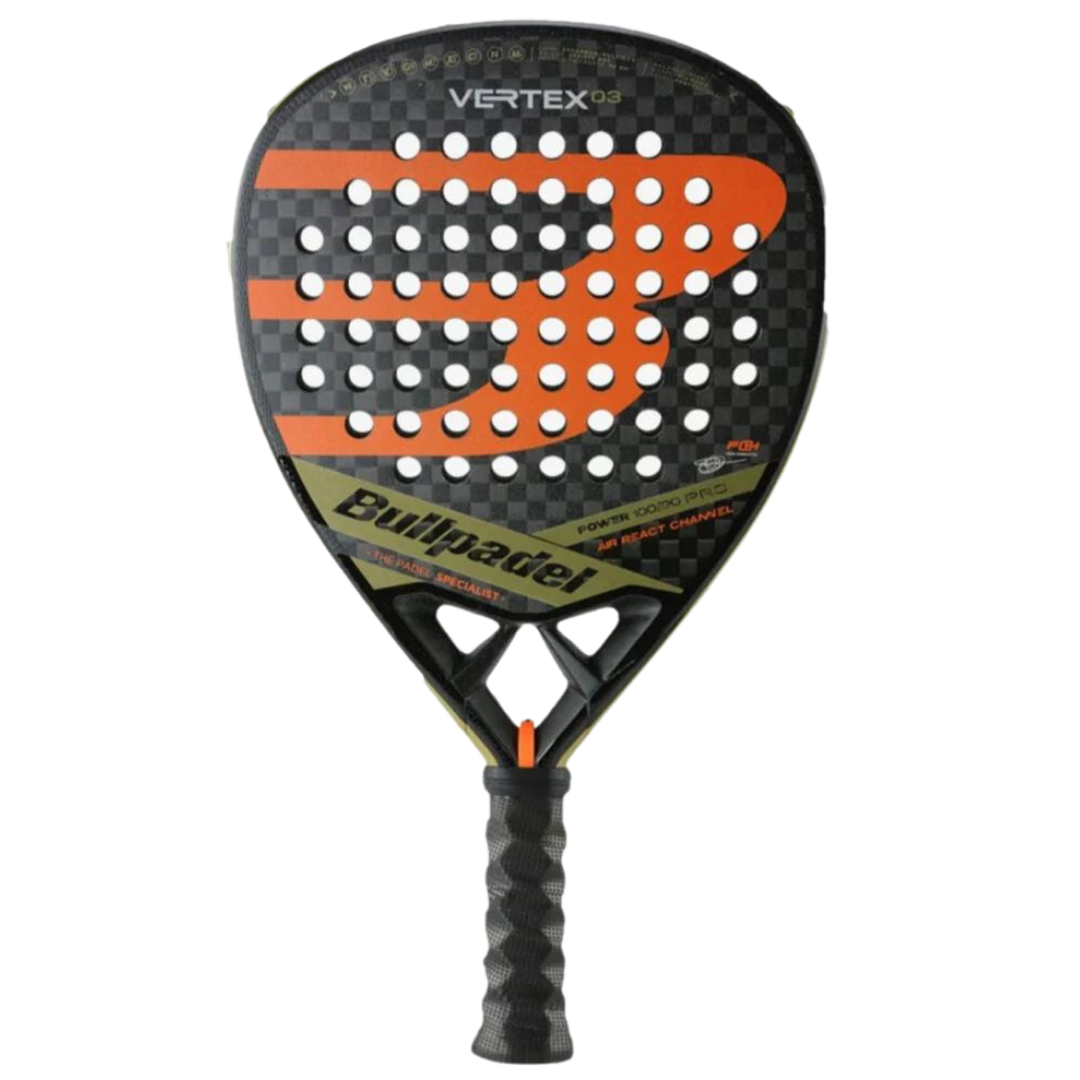
At 185 centimeters, Juan Tello is one of the tallest players on the World Padel Tour. He known for his powerful attacking playing style. He plays with the Bullpadel Vertex 03.
bullpadel
Vertex 03
Players seeking an easy to use medium balance diamond with premium features
Step 2: Prioritize attacking or defending
“Appear weak when you are strong, and strong when you are weak.” -Sunzu
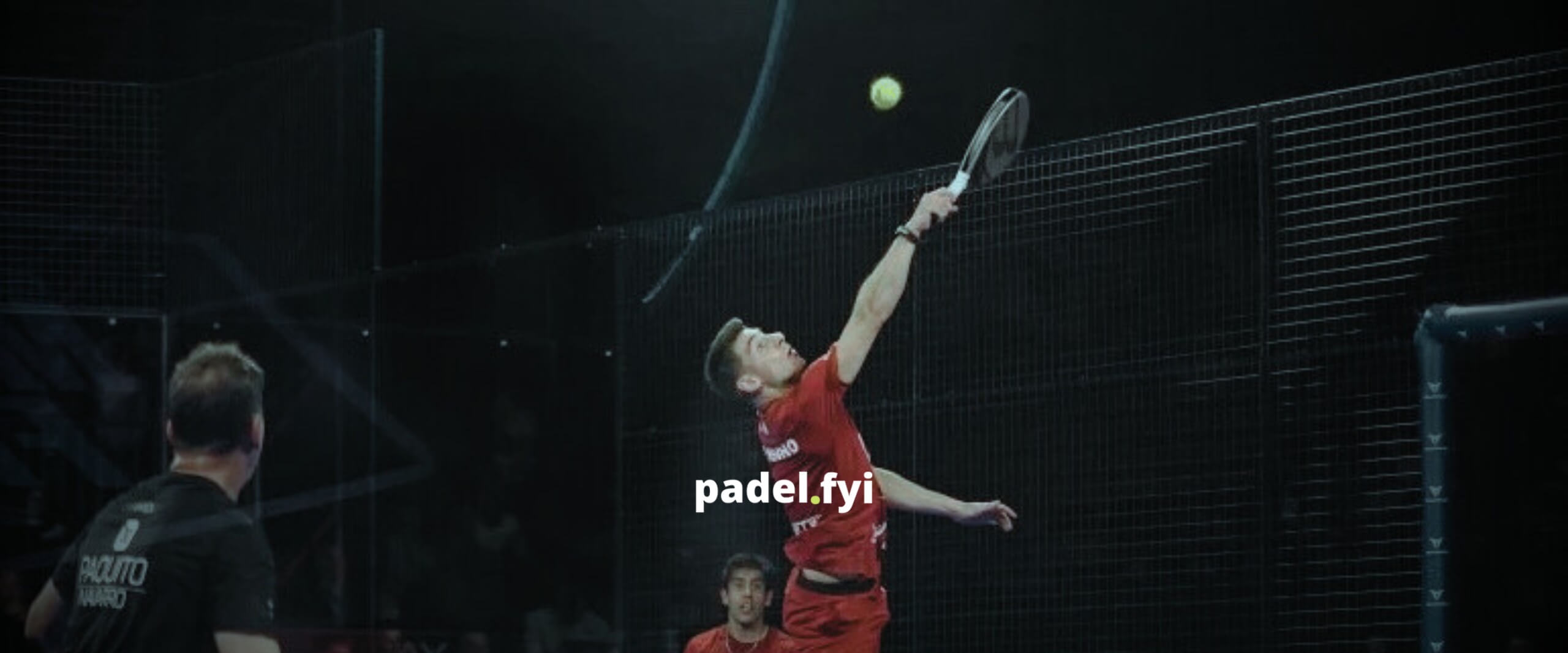
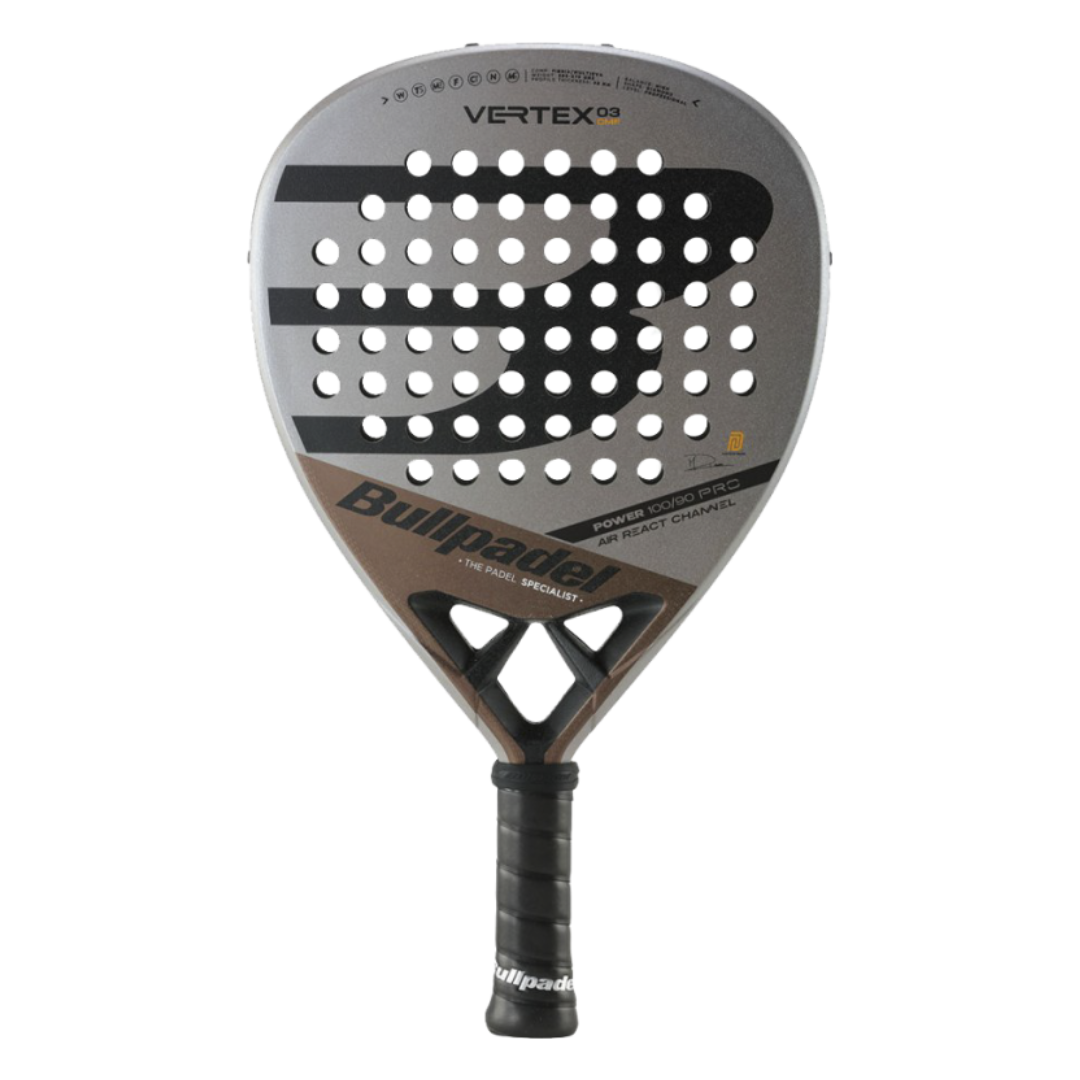
A right-side player, Martín Di Nenno excels at defense with consistency, control, and a cool mind. He plays with the Bullpadel Vertex 03 Comfort.
bullpadel
Vertex 03 Comfort
Intermediate or advanced players seeking a comfortable, playable diamond
What is your style of play?
Do you find yourself winning more points by attacking yourself or by powerful defending and counter-attacking? In padel, as in life, we recommend focusing on your strengths in the selection of a padel racket.If you are a fast intermediate, right-handed right side player, and you find yourself winning points from your ability to make the opponent run around and make mistakes because you can place the ball with precision, we suggest you choose a hard round racket to maximize your control.
If you are a strong, tall player, consider using as powerful of a racket as possible, a hard teardrop or diamond, until it affects your ability to defend.
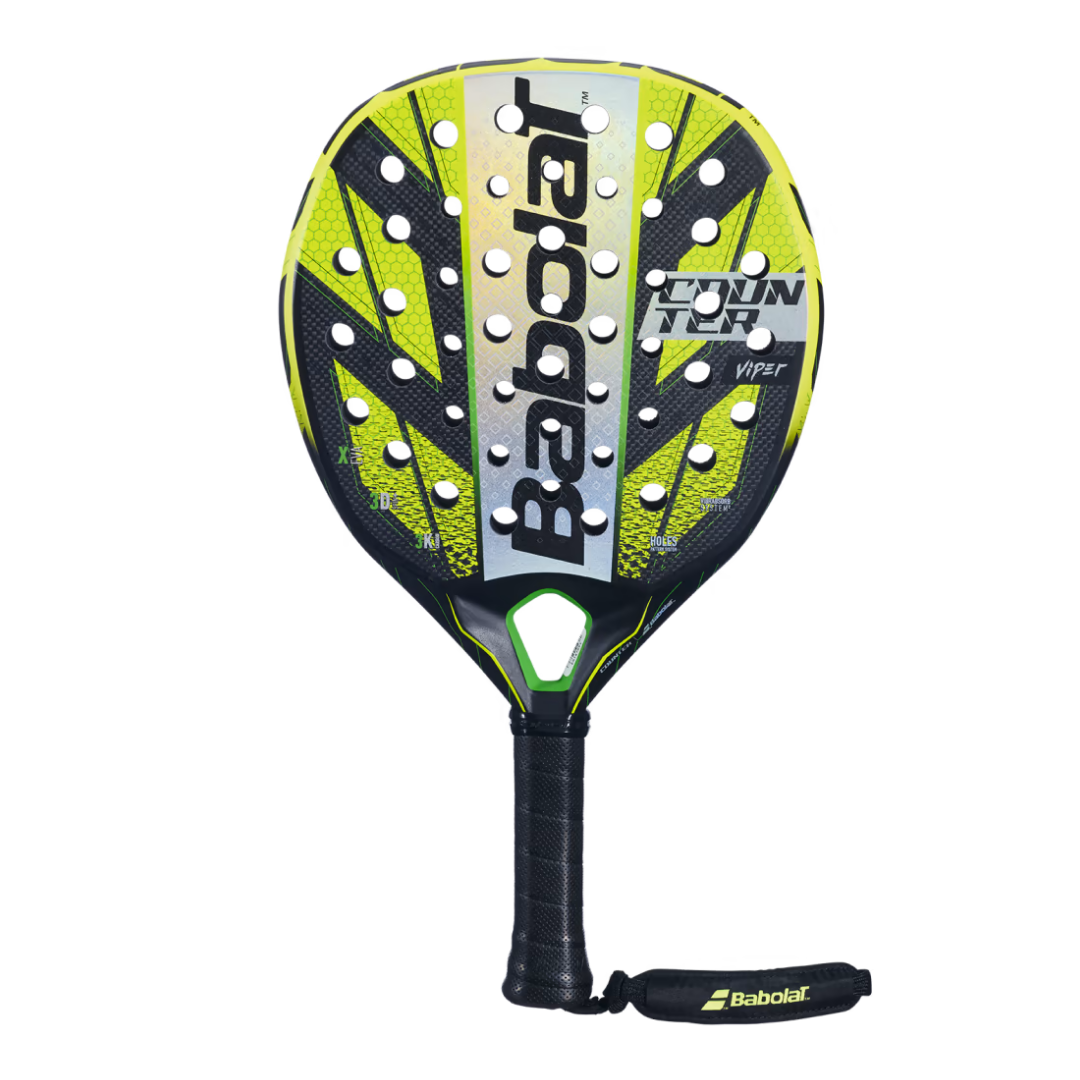
If you’re a beginner-intermediate player who is strong in defense, consider a soft or medium touch round racket to maximize maneuverability. Due to the nature of padel’s long rallies and the risk of attacking in padel, counter-attacking is particularly important, so some brands have even designed rackets for counter-attacking specialists, such as the Babolat Counter Viper.
babolat
Counter Viper
An intermediate or advanced right side player seeking medium touch a large sweet spot
Racket shape and balance
There are three shapes of padel rackets: round, teardrop/hybrid, and diamond. The affects of these shapes is the amount of power, height of the balance, and size of the sweet spot.
A racket with more weight in the head - meaning high balance - generates more power, while a racket with more weight in the bottom - or low balance - has a larger sweet spot and is easier to maneuver quickly.
Racket hardness: core, surface, and frame
A hard racket has more power, control, and lasts longer, while a soft racket absorbs more vibrations and has more output when missing the sweet spot.
Two components of a racket’s construction determine its hardness:
- the type of rubber foam in the core
- the material on the surface
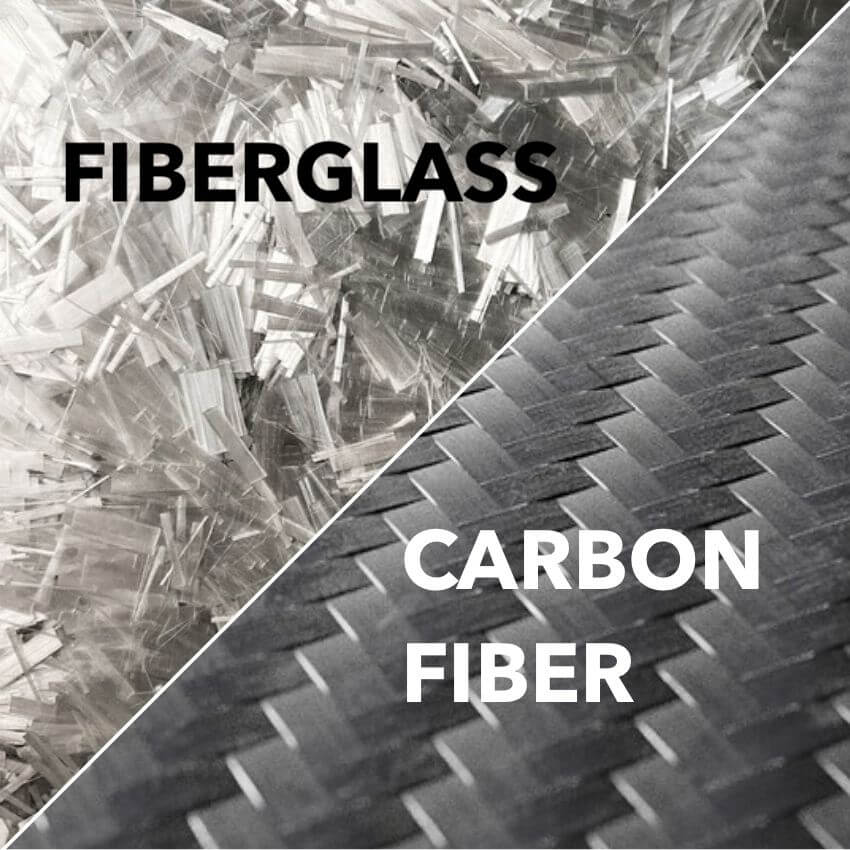
A padel racket’s core is a foam made from of a polyethylene rubber or ethylene-vinyl acetate rubber (EVA). The density of the foam, or the size of the bubbles, determines the hardness of the core. Increasing temperature softens the core; decreasing temperatures harden it. In general, EVA rubber foam is made at higher density and thus harder than polyethylene’s. The industry is increasing its use of EVA.
Racket surfaces are made from carbon fiber and fiberglass. Carbon fiber is more expensive. Carbon fiber is usually harder, though carbon fibers made from higher thread counts, such as 24k, are similar in hardness to fiberglass.
24K carbon fiber has 24,000 filaments, or threads, per “tow”, or band. The industry is increasing use of carbon fiber.
The industry has almost completely moved to carbon fiber frames due to their durability. We do not recommend fiberglass frames.
Additional padel racket considerations
While the most important racket attributes are shape and hardness, some players have additional considerations, such as temperature, weight, thickness, grip length, weight customization, and vibration reduction.
Players in cold environments should consider that a soft, low balance racket will help them dig slow, low balls out of corners.
Most rackets weigh between 360-370 grams. Simply put, if your body weight is considerably below average, we recommend you consider a lightweight racket, one under 360 grams. If you are large, strong, and play with a powerful game, consider one of the heavier rackets, such as the Head Delta Pro.
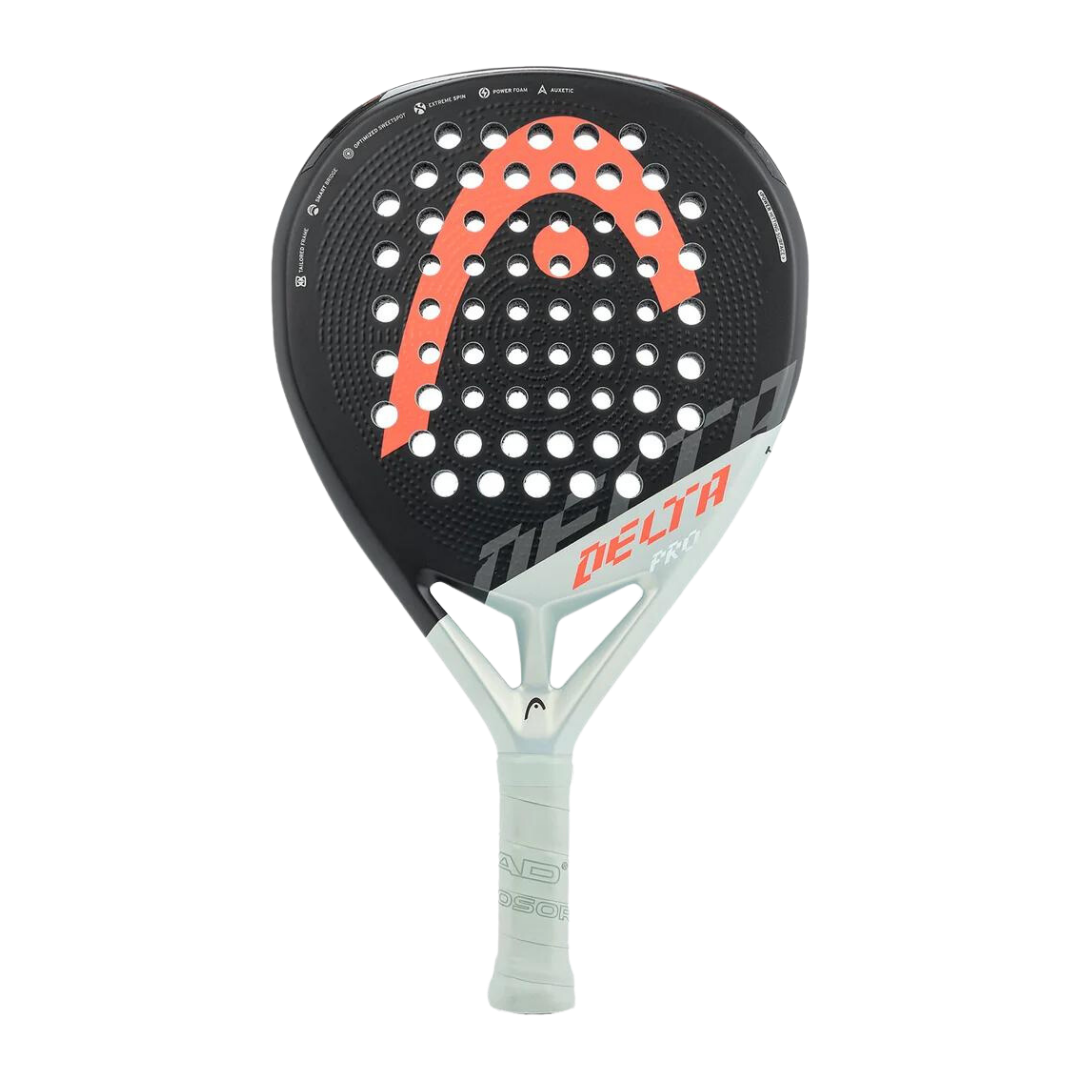
head
Delta Pro
Advanced smashers with strong arms seeking maximum power
Some brands, such as Royal Padel allow selection of racket weight in 5 gram increments.
According to FIP regulations, adult rackets must be 38cm wide. Kids and junior rackets are usually 35cm wide, so they are easier for kids to handle.
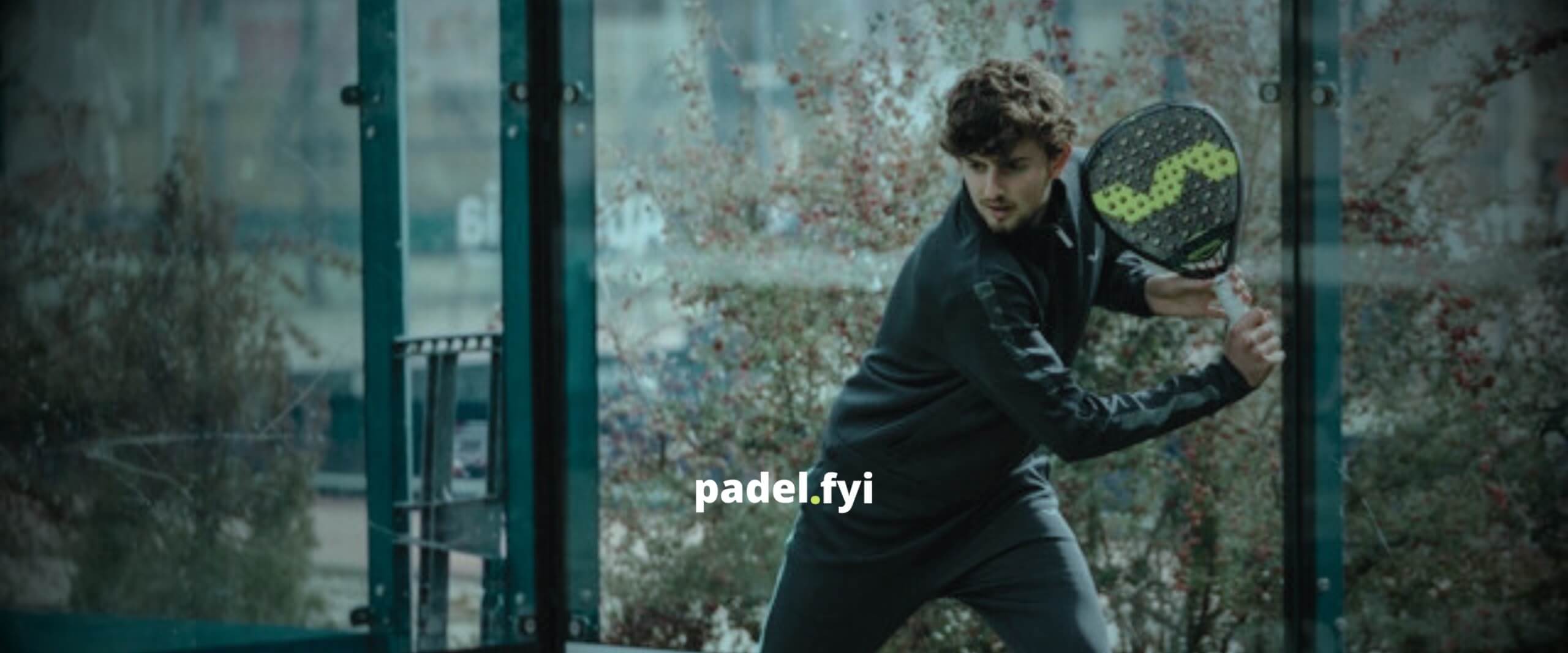
Mike Yanguas often surprises his opponents with his rocketing two-handed backhand. He plays with the Varlion Bourne Summum Prisma Airflow (picture above is from 2022).
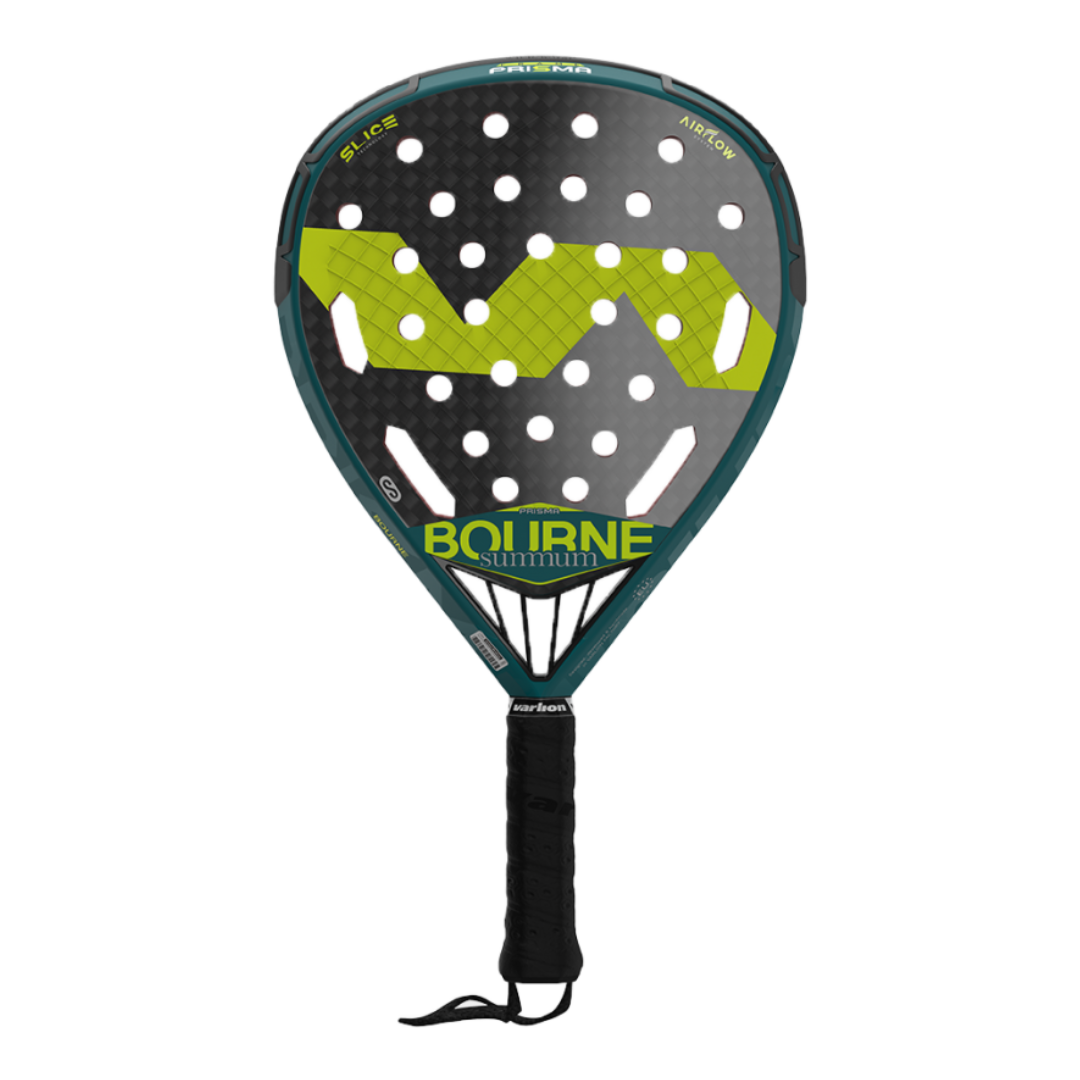
varlion
Bourne Summum Prisma Airflow
Advanced player with a fast, powerful aerial game
Some players use two-handed backhands at key moments. If you feel comfortable placing your non-dominant hand on the racket, then you can choose a racket with a long grip. One example is Varlion’s Summum line.
Some players customize the balance of their racket, for example, to be more head heavy and powerful. The Adidas Metalbone and Adipower Multiweight systems allow for this. With other brands, players can add protectors, lead tape, or, if they want to lower the balance, extra grips.
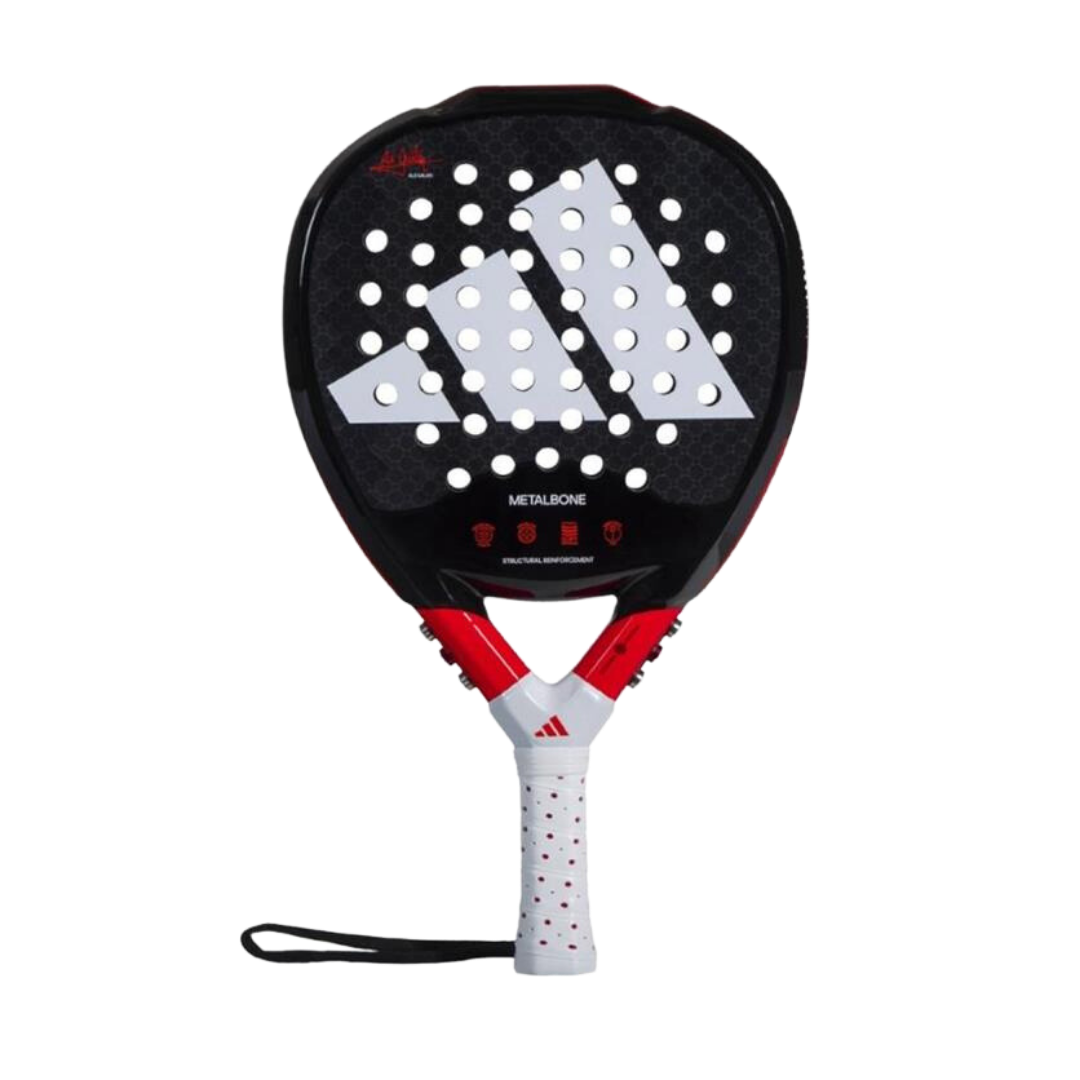
adidas
Metalbone 3.2
Intermediate players seeking power and control
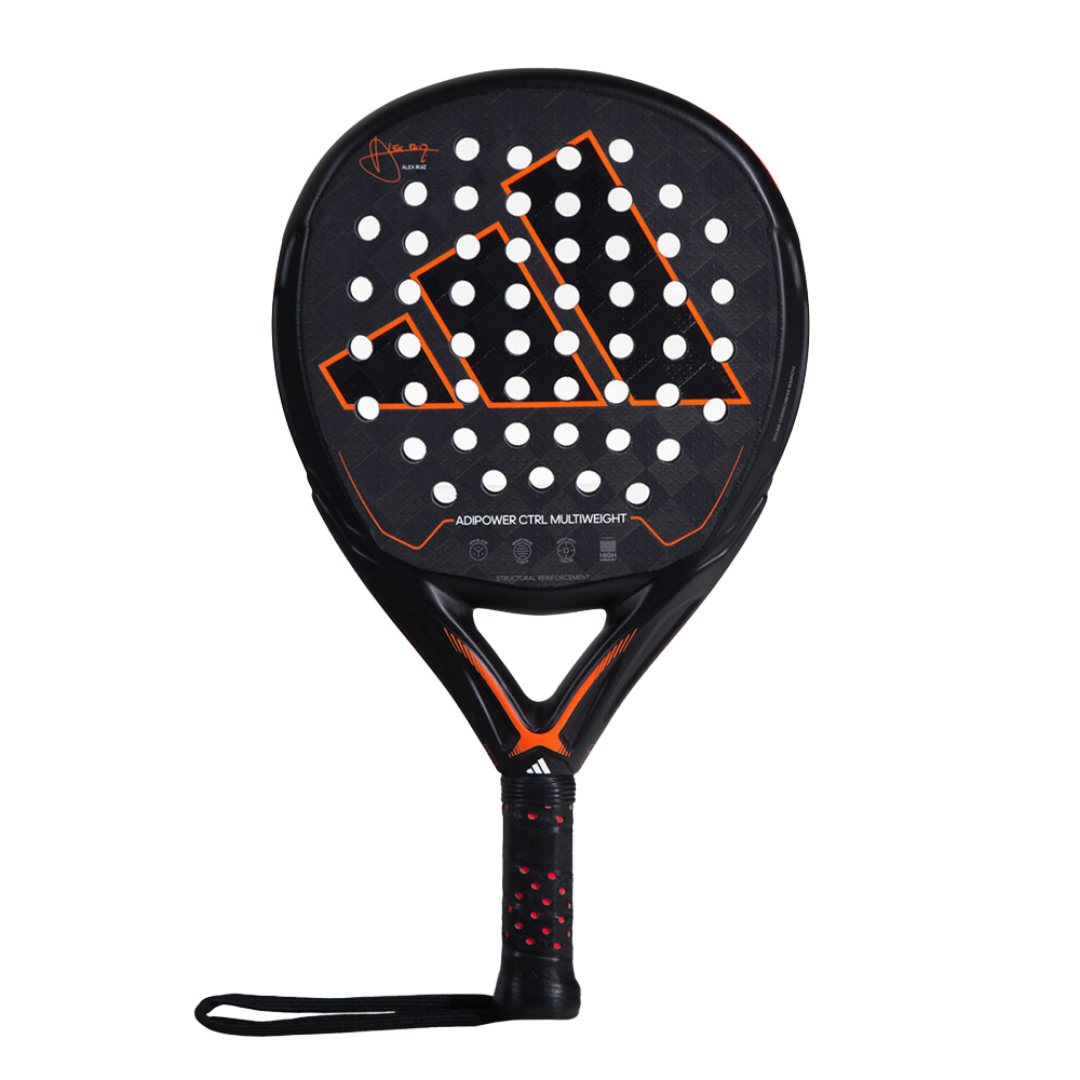
adidas
Adipower Multiweight CTRL
Versatile players looking for a racket with balance and weight customization
People also ask
How long does a padel racket last
A padel racket’s lifespan is roughly 100 sessions, which translates to a year if you play twice a week. Softer rackets will age faster, and harder rackets will age more slowly. As your racket ages, the foam and surface will compress from repeated impact which will result in dead, unpredictable shots and increased vibration for your arm. Of course, rackets with scratches deeper than their surface should be replaced as soon as possible.
How to care for a padel racket
Heat is your racket’s enemy. Do not leave it in the sun or in temperatures below -15° or above 40°C. Cars are greenhouses, so avoid keeping your racket in the car. Thermal covers reduce heat swings and can be found for under €10.
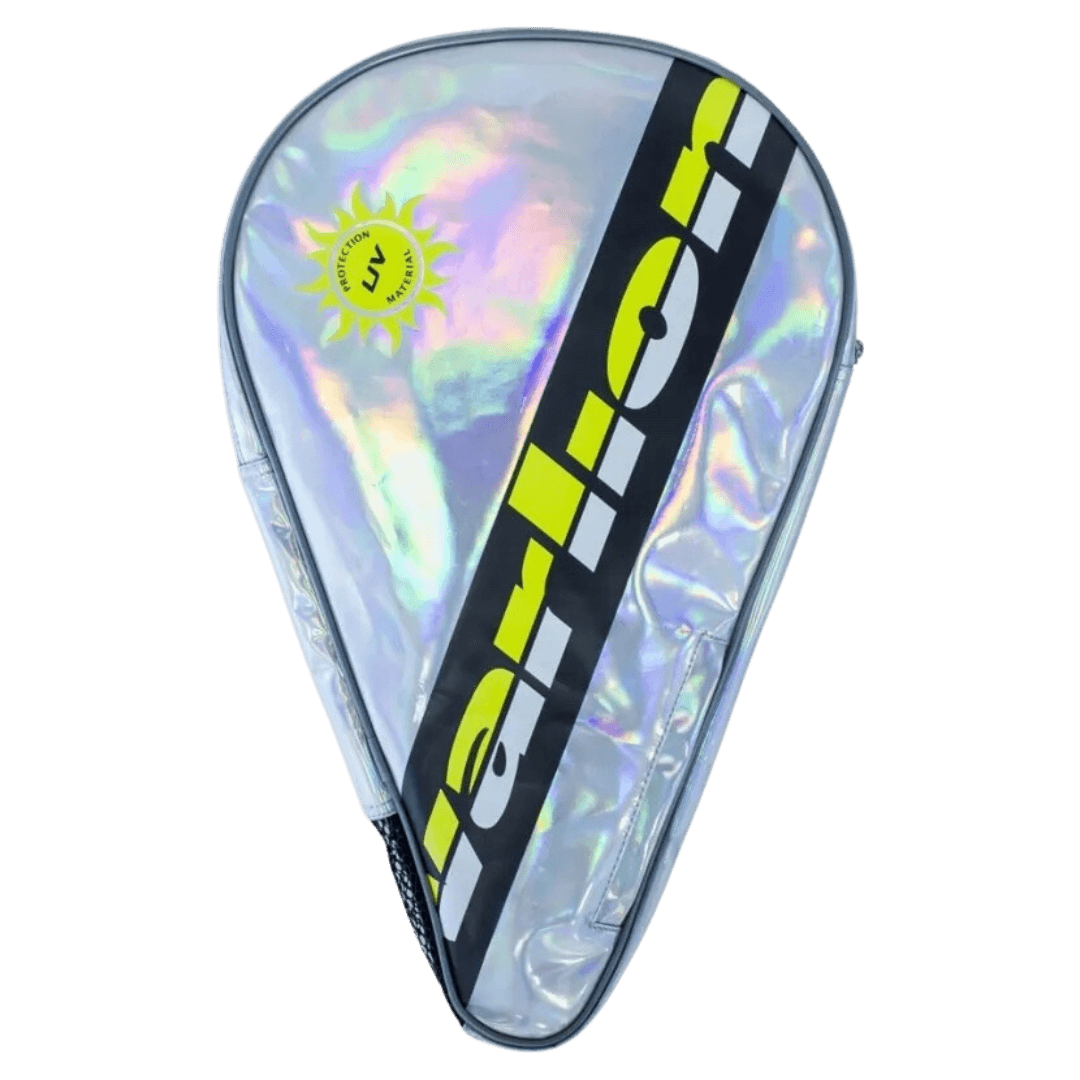
Compressing your racket’s face will also reduce its lifespan. Carry your racket in a proper padel bag to ensure that weight does not compress the foam when traveling with it.
Now that you know how to choose your racket, check out our list of the Best Padel Rackets of 2023 | Padel FYI.
Frequently Asked Questions
How do I choose a padel racket?
Step 1: Determine your level-beginners should use soft, round rackets, while many advanced players prefer hard rackets. Step 2: Determine your playing style - power players should use diamonds, control players should use round rackets, versatile players should use teardrop rackets.
Should I play with a soft or a hard racket?
A soft racket will give you a comfortable racket that is easy on your joints and makes it easy to pass the ball in defensive shots. A hard racket will give you power and precision when attacking.
Common questions
Frequently asked questions
How do I choose a padel racket?
Step 1: Determine your level-beginners should use soft, round rackets, while many advanced players prefer hard rackets. Step 2: Determine your playing style - power players should use diamonds, control players should use round rackets, versatile players should use teardrop rackets.
Should I play with a soft or a hard racket?
A soft racket will give you a comfortable racket that is easy on your joints and makes it easy to pass the ball in defensive shots. A hard racket will give you power and precision when attacking.