

The joke was obvious. Bosnia bans padel “amid rise in gay population,” claimed a visual circulating Facebook in early February, complete with authoritarian language about “shuttering courts” and “demographic control.” The punchline: it wasn’t a joke to thousands who shared it.
“The claim originated from a satirical post on Instagram,” confirmed Rašid Krupalija, Editor-in-Chief of Raskrinkavanje, a fact-checking outlet accredited by the International Fact-Checking Network. “Bosnia has instituted no such ban.” The original post, published January 28 by Instagram user @kjafiroid, was clearly labeled satire. By the time it reached Facebook a week later, that context had evaporated.
What’s revealing isn’t that people fell for it — satire always finds its marks — but why this particular fabrication felt plausible enough to spread. The answer lies in what Krupalija described as “a joking and somewhat stereotypical view that gay men enjoy playing the game.” Bosnia’s actual laws prohibit discrimination based on sexual orientation. Homosexuality isn’t criminalized. But the sport’s social dynamics, particularly in emerging markets, have attracted assumptions about its cultural positioning.
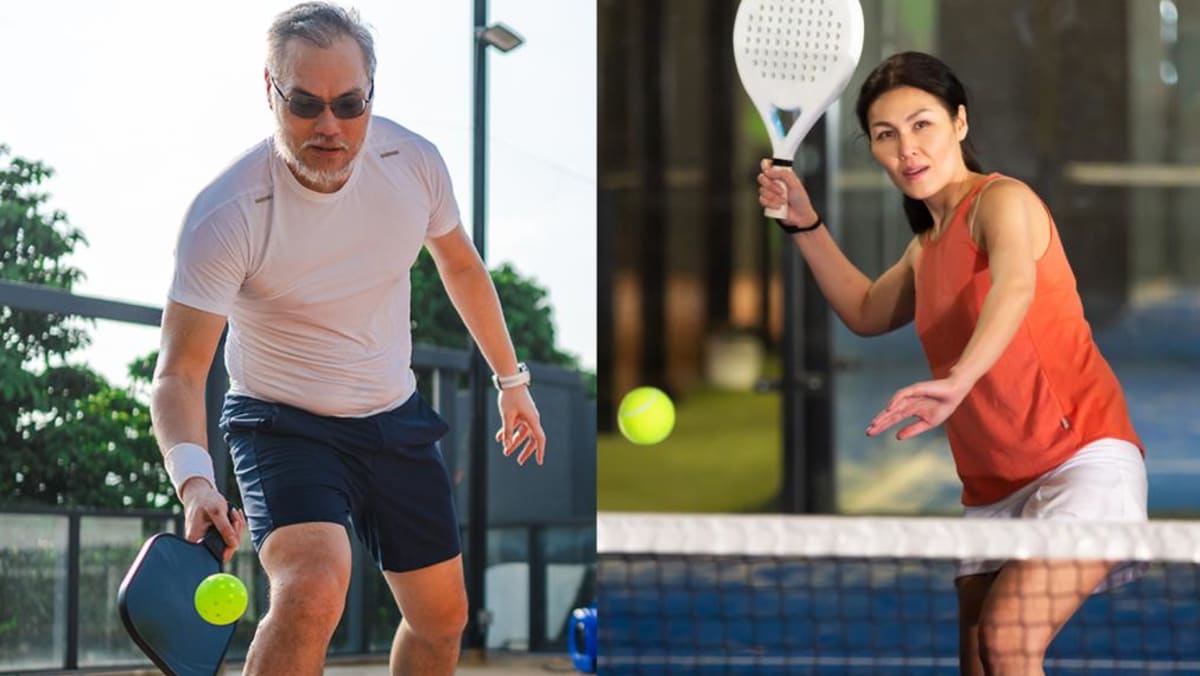
Padel’s design invites this. Unlike tennis’s solitary baseline grinding or pickleball’s kitchen-line standoffs, padel is fundamentally social — doubles-only, enclosed courts, continuous rallies that reward communication over power. CNA Lifestyle’s recent gear guide emphasizes “the right support” for players, noting how equipment choices reflect the sport’s collaborative structure. The question is whether that collaborative appeal translates into cultural coding that padel organizers need to address.
The fabricated ban highlights a tension facing the sport’s growth in conservative markets: padel sells itself as inclusive and accessible, yet its social dynamics can trigger exactly the stereotypes that inclusion efforts aim to dismantle. Reddit users in the r/AskBalkans subreddit responded to the fake ban with “jibes and sarcasm,” according to Soch Fact Check’s investigation — a knowing dismissiveness that suggests the stereotype itself is familiar territory in Balkan padel culture.
Bosnia has no plans to ban anything. Courts aren’t shuttering. Equipment sales continue unimpeded. But the viral reach of a clearly satirical post — shared across Facebook and Instagram without apparent irony — exposes how quickly misinformation can weaponize cultural assumptions about sports participation. The fact-checking was straightforward: contact local outlets, search for credible news sources, debunk. The harder work is addressing why the fake felt real enough to spread.
For padel’s governing bodies, the lesson isn’t about policing satire — it’s about recognizing that rapid growth in new markets brings cultural baggage that equipment guides and court construction can’t solve. The sport’s collaborative structure is a feature, not a problem. But as padel expands beyond its Spanish and Latin American strongholds into markets with different social contexts, organizers will need more than fact-checks to counter narratives that threaten to narrow its appeal.
The fabricated Bosnia ban disappeared as quickly as it spread, relegated to fact-checking archives and Reddit threads. What remains is the question it accidentally surfaced: can a sport designed for social connection escape the stereotypes that connection sometimes invites? Padel’s answer to that will matter more than any equipment choice.
Sources
- Bosnia did not ban padel amid ‘rise in gay population’ — Soch Fact Check
- Pickleball and padel: A guide to choosing the right gear and equipment — CNA Lifestyle
Sources: